Propane in Faribault MN | Propane Safety 101: Everything You Need to Know
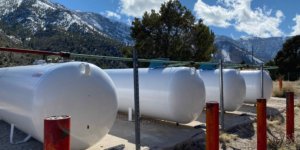
Propane is a versatile and widely used fuel that powers numerous appliances, including grills, furnaces, water heaters, and stoves. While propane offers many benefits, it’s essential to prioritize safety when handling this flammable gas. This article aims to provide a comprehensive guide to propane safety, equipping you with the knowledge necessary to prevent accidents and ensure a secure environment for yourself and others in Faribault MN. Propane in Faribault MN
Propane Properties and Handling
Propane, also known as liquefied petroleum gas (LPG), is a colorless and odorless gas that is compressed into a liquid form for easy storage and transport. One crucial aspect of propane safety is recognizing its distinct odor, similar to rotten eggs. Manufacturers add a compound called ethyl mercaptan to give propane its distinctive smell, aiding in the detection of leaks.
When handling propane, it’s crucial to follow specific guidelines:
- Storage: Propane cylinders and tanks should always be stored in well-ventilated areas, preferably outdoors. Never store them in basements, living spaces, or confined areas. Keep them upright and secure, away from heat sources and ignition points.
- Transportation: When transporting propane cylinders, ensure they are properly secured in an upright position to prevent tipping or rolling. Avoid leaving them in a closed vehicle for an extended period, especially in hot weather conditions.
- Propane Appliances: Follow the manufacturer’s instructions when connecting and operating propane-powered appliances. Inspect hoses and connectors regularly for signs of damage, and replace them if necessary. Never use damaged or expired propane cylinders.
Propane Leak Detection and Response
Detecting a propane leak is vital to prevent potential disasters. Some signs of a propane leak include:
- Smell: As mentioned earlier, propane is odorless, but an odorant is added to make it easily detectable. If you notice the distinct rotten egg smell, it may indicate a propane leak.
- Hissing Sound: A hissing sound near a propane tank or appliance could be a sign of a leak. If you hear this noise, turn off the gas supply immediately and seek professional assistance.
- Dead Vegetation: If plants around your propane tank or gas lines suddenly wilt or die, it could indicate a leak. Keep an eye out for any unusual changes in your landscape.
If you suspect a propane leak:
- Evacuation: Immediately evacuate the area, ensuring everyone’s safety. Avoid using any electrical switches or creating sparks that could ignite the gas.
- Shut Off the Gas Supply: If it is safe to do so, turn off the main gas supply valve on the propane tank. This will help minimize the leak until professionals arrive.
- Call for Assistance: Contact your propane supplier or emergency services to report the leak. Do not re-enter the premises until a professional deems it safe to do so.
Propane Tank Maintenance and Inspection
Regular maintenance and inspection of propane tanks are crucial for safety. Here are some key points to consider:
- Visual Inspection: Check for signs of rust, dents, or other physical damage on the tank’s exterior. Inspect valves, fittings, and hoses for any leaks or wear. If you notice any issues, contact a propane professional for further assessment.
- Professional Inspection: Have a qualified propane technician inspect your propane system periodically. They can conduct pressure tests, leak checks, and ensure the system meets safety standards.
- Snow and Ice Removal: During winter, clear snow and ice from the tank, valves, and regulators. Accumulated snow can cause damage and hinder proper ventilation.
Fire Safety and Emergency Preparedness
In the event of a fire or emergency involving propane, it’s essential to be prepared and take the appropriate actions:
- Fire Extinguishers: Keep a working fire extinguisher nearby, suitable for use on propane fires. Familiarize yourself with the proper operation of the extinguisher beforehand.
- Emergency Plan: Create an emergency plan for your household or business, outlining evacuation routes and meeting points. Practice the plan regularly to ensure everyone knows what to do in case of an emergency.
- Educate Family Members or Employees: Inform those around you about propane safety protocols. Teach them how to recognize a propane leak, emphasize the importance of immediate evacuation, and ensure they understand the emergency shut-off procedures.
Propane is a valuable fuel source, but it requires careful handling and adherence to safety guidelines. By understanding propane properties, knowing how to detect leaks, properly maintaining equipment, and being prepared for emergencies, you can ensure the safe use of propane in your home or business. Prioritizing propane safety not only protects your property and investments but, most importantly, the well-being of yourself and others.
Propane in Faribault MN
River Country Cooperative is a reputable agricultural cooperative based in Faribault, Minnesota. With a strong presence in the region, River Country Cooperative has been serving the local farming community for years, providing a wide range of products and services to support agricultural operations. From agronomy services and precision farming solutions to grain handling and marketing, River Country Cooperative offers comprehensive support to farmers, helping them maximize their yields and optimize their operations. With a commitment to excellence and a focus on customer satisfaction, River Country Cooperative has established itself as a trusted partner for farmers in Faribault and the surrounding areas, contributing to the growth and success of the local agricultural industry.