Fuel Tanks in Saint Paul MN | How to Select the Right Fuel Tank for Your Needs
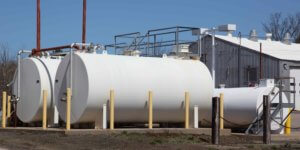
Choosing the right fuel tank is crucial for efficient fuel storage and management. Whether you’re a homeowner, a business owner, or an industry professional, selecting the appropriate fuel tank can save you time, and money, and ensure the safety of your fuel supply. In this comprehensive guide, we will walk you through the essential considerations to help you make an informed decision when selecting a fuel tank that aligns with your specific needs. With our extensive experience and dedication to the local community, our team at River Country Cooperative is a reliable partner for all your fuel supply requirements in Minnesota. Fuel Tanks in Saint Paul MN
Assess Your Fuel Storage Requirements
Before diving into the details of different fuel tank options, it’s important to assess your specific fuel storage requirements. Consider the following factors:
- Fuel Usage: Determine how much fuel you consume regularly. Assess whether you need a small tank for residential purposes or a larger tank for commercial or industrial use. Calculate your average fuel consumption over a given period to estimate the appropriate storage capacity.
- Storage Capacity: Once you have a clear understanding of your fuel consumption, calculate the desired storage capacity based on your needs. Ensure the tank can hold enough fuel to meet your requirements without frequent refilling, considering any anticipated growth in fuel usage.
- Available Space: Evaluate the area where the tank will be placed. Consider any space limitations or regulations that may affect the tank’s size and installation. Measure the available space and ensure it can accommodate the chosen tank size while allowing for adequate clearance for maintenance and safety.
Consider the Fuel Type
Different fuels have varying storage requirements. Consider the type of fuel you intend to store, such as gasoline, diesel, or alternative fuels like biodiesel or ethanol. Each fuel type has specific compatibility, storage, and safety considerations. Ensure the tank you choose is suitable for the fuel you plan to store.
- Compatibility: Confirm that the tank material and construction are compatible with the fuel you intend to store. Some fuels may require specialized tanks due to their corrosive properties or specific handling requirements.
- Contamination Prevention: Certain fuels, such as gasoline, are more susceptible to contamination from moisture and debris. Consider tanks with features like tight seals, proper venting systems, and integrated filters to minimize the risk of contamination.
Evaluate Tank Material Options
Fuel tanks are available in various materials from fuel suppliers, each with its advantages and disadvantages. Here are a few common options:
- Steel Tanks: Steel tanks are durable, strong, and offer excellent protection against external elements. They are suitable for most fuel types, but they may require proper corrosion protection to prevent rusting. Consider epoxy coatings or specialized linings for added durability.
- Aluminum Tanks: Aluminum tanks are lightweight, resistant to corrosion, and suitable for various fuel types. They are commonly used in situations where weight is a concern, such as mobile refueling operations. However, aluminum tanks may be more expensive than steel tanks.
- Fiberglass Tanks: Fiberglass tanks are non-corrosive and provide excellent resistance to rust and leaks. They are commonly used for underground storage and are suitable for gasoline, diesel, and biodiesel. Fiberglass tanks require professional installation to ensure proper sealing and prevent groundwater contamination.
- Polyethylene Tanks: Polyethylene tanks are lightweight, cost-effective, and resistant to corrosion. They are commonly used for residential purposes and are suitable for gasoline and diesel storage. Polyethylene tanks are relatively easy to install and maintain.
Consider Environmental Factors
When selecting a fuel tank, it’s important to consider the environmental factors that may impact your fuel storage. Pay attention to:
- Temperature and Climate: Extreme temperatures and climate conditions can affect the performance and longevity of the tank. Choose a tank that can withstand the local environmental conditions. For example, in areas with significant temperature fluctuations, double-walled tanks with insulation may be preferable.
- Safety Features: Look for tanks with safety features such as double walls, leak detection systems, and pressure relief valves. These features help prevent fuel leaks and mitigate potential hazards. Additionally, consider tanks with grounding provisions to reduce the risk of static electricity discharge.
Compliance and Regulations
Compliance with local regulations and codes is crucial when installing a fuel tank. Ensure the tank you choose meets all the necessary safety and environmental standards set by local authorities. Familiarize yourself with permits, installation requirements, and ongoing maintenance obligations.
- Permitting: Research and obtain any required permits or approvals for installing a fuel tank on your property. This may involve contacting local regulatory agencies and providing the necessary documentation.
- Installation Requirements: Follow the manufacturer’s guidelines and local codes when installing the tank. Proper anchoring, venting, and spill containment measures may be required, depending on the tank size and location.
- Ongoing Inspections and Maintenance: Regularly inspect the tank for signs of wear, corrosion, or damage. Follow maintenance recommendations provided by the tank manufacturer to ensure its continued performance and compliance with regulations.
Consider Additional Features and Accessories
Depending on your specific needs, you may require additional features and accessories for your fuel tank, such as:
- Fuel Level Monitoring: Opt for tanks with fuel level monitoring systems to track fuel usage and ensure timely refilling. These systems can be manual or automated, providing real-time data on fuel levels.
- Dispensing Equipment: If you require on-site fuel dispensing, consider tanks that come with integrated dispensing systems or compatibility with external pumps and meters. Ensure that the dispensing equipment meets the necessary safety and accuracy standards.
- Secondary Containment: In high-risk areas or for increased safety, choose tanks with secondary containment systems that provide an additional layer of protection against leaks. These systems help contain spills and prevent fuel from reaching the environment.
- Security Measures: Consider additional security features like lockable access doors, tamper-proof caps, or alarm systems to prevent unauthorized access or fuel theft.
Fuel Tanks in Saint Paul MN
Selecting the right fuel tank involves careful consideration of your fuel storage requirements, fuel type, tank materials, environmental factors, compliance regulations, and additional features. By understanding these aspects and conducting thorough research, you can make an informed decision that ensures efficient fuel storage, safety, and peace of mind for your specific needs. Remember, consulting with industry professionals or fuel tank suppliers can provide valuable insights tailored to your unique circumstances. Investing time and effort into choosing the right fuel tank upfront will pay off in the long run, providing you with a reliable and secure fuel storage solution. If you need fuel services, contact us at River Country Cooperative in Saint Paul, Minnesota today. We are a trusted fuel supplier based in Minnesota. With a strong commitment to customer satisfaction and quality service, they offer a wide range of fuel options, including gasoline, diesel, and alternative fuels. Whether you’re a homeowner, a business owner, or an agricultural professional, River Country Cooperative provides reliable fuel delivery, competitive pricing, and expert advice to meet your fuel needs efficiently.